
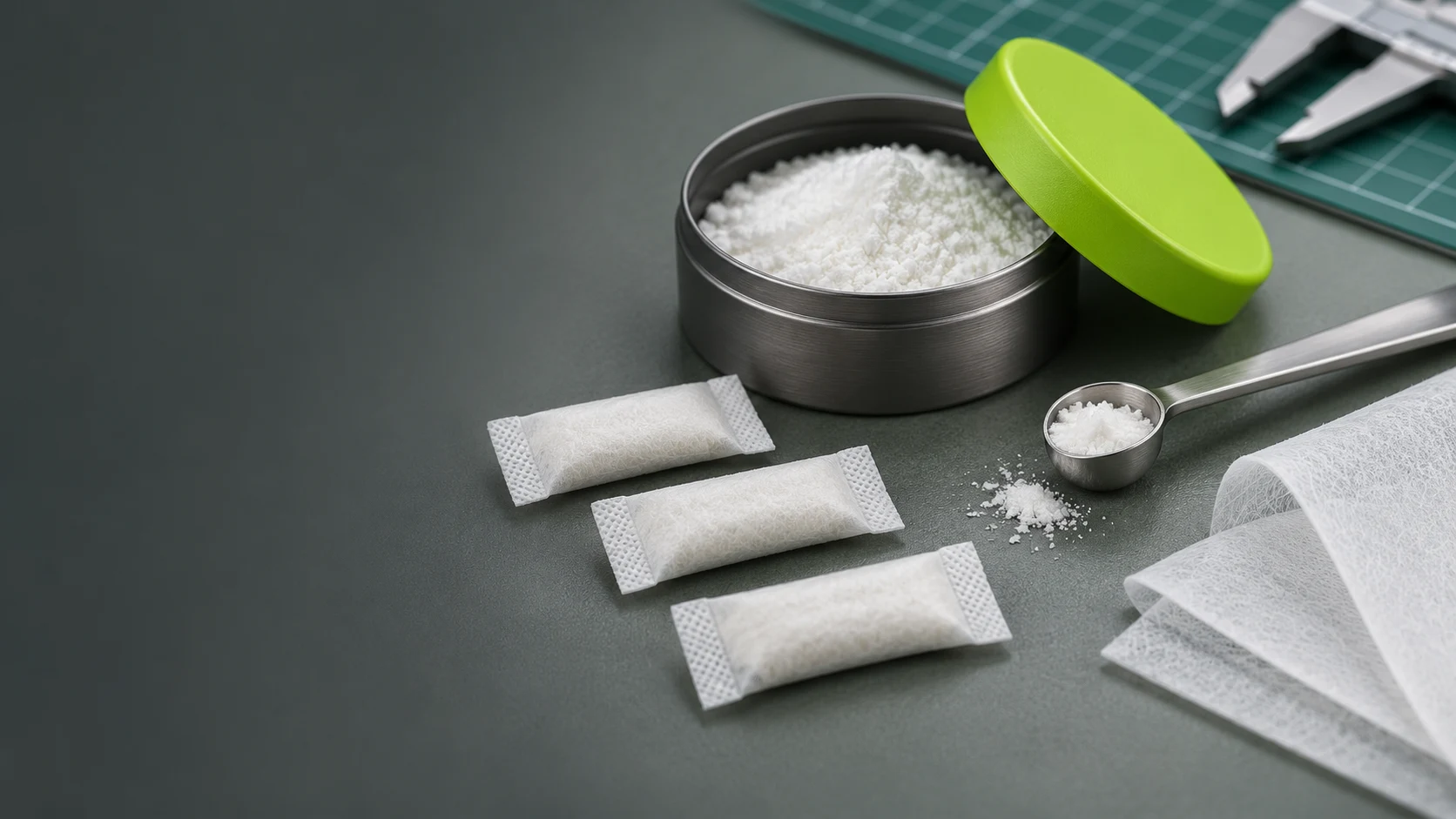
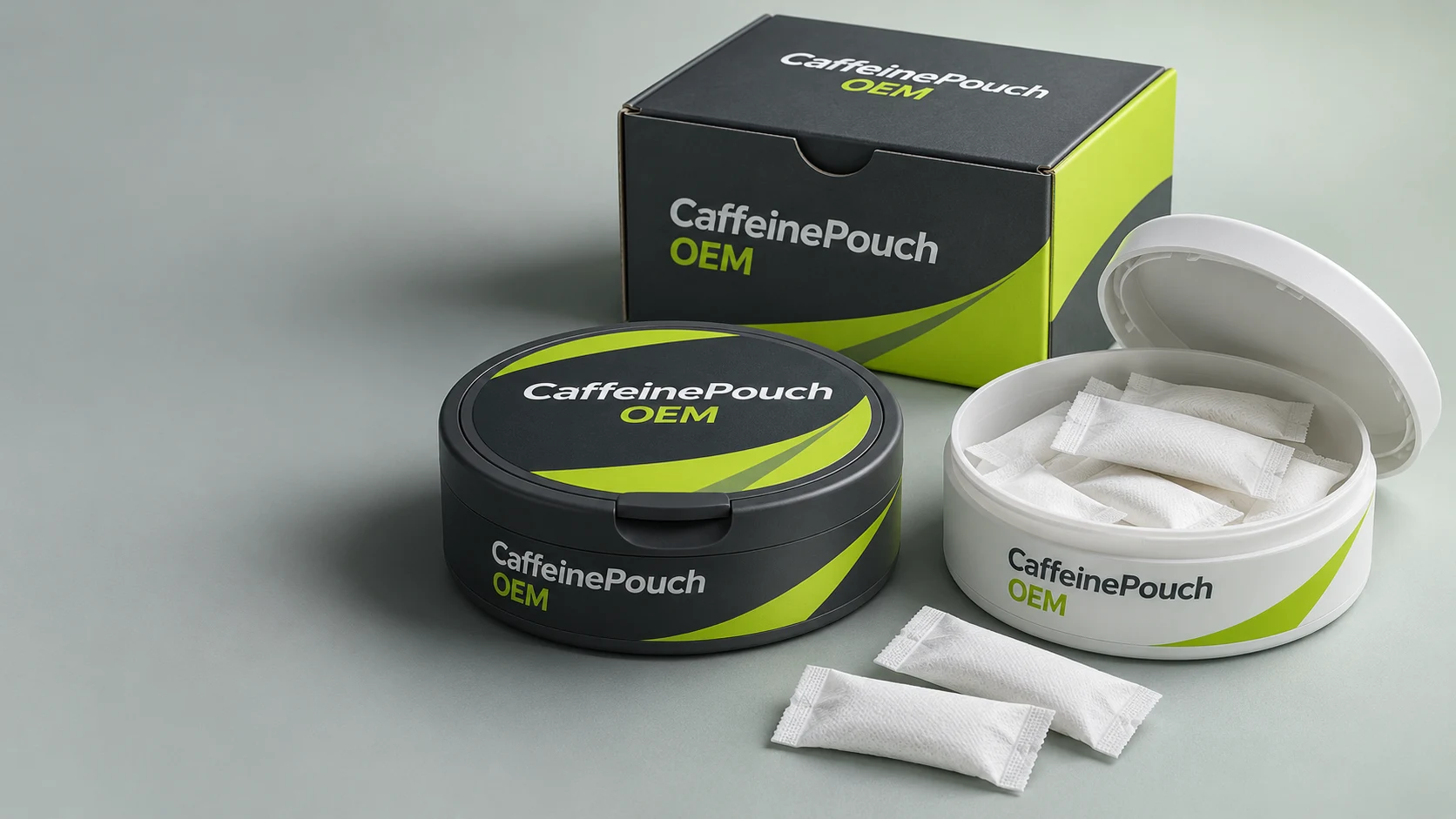
Caffeine pouches for your brand
Develop caffeine pouches OEM projects around a clear specification. We support OEM, ODM, CRO and CDMO discussions covering the formula, sensory work, pouch and retail pack. Start with your market and product brief; confirm the manufacturing and documentation scope before production.
Choose your formulation
Eight formulation families and 48 development concepts make the starting point specific. Compare caffeine sources, named co-ingredients and the checks each direction needs. Concepts are project starting points. Final ingredients, caffeine content and specifications are confirmed for each project.
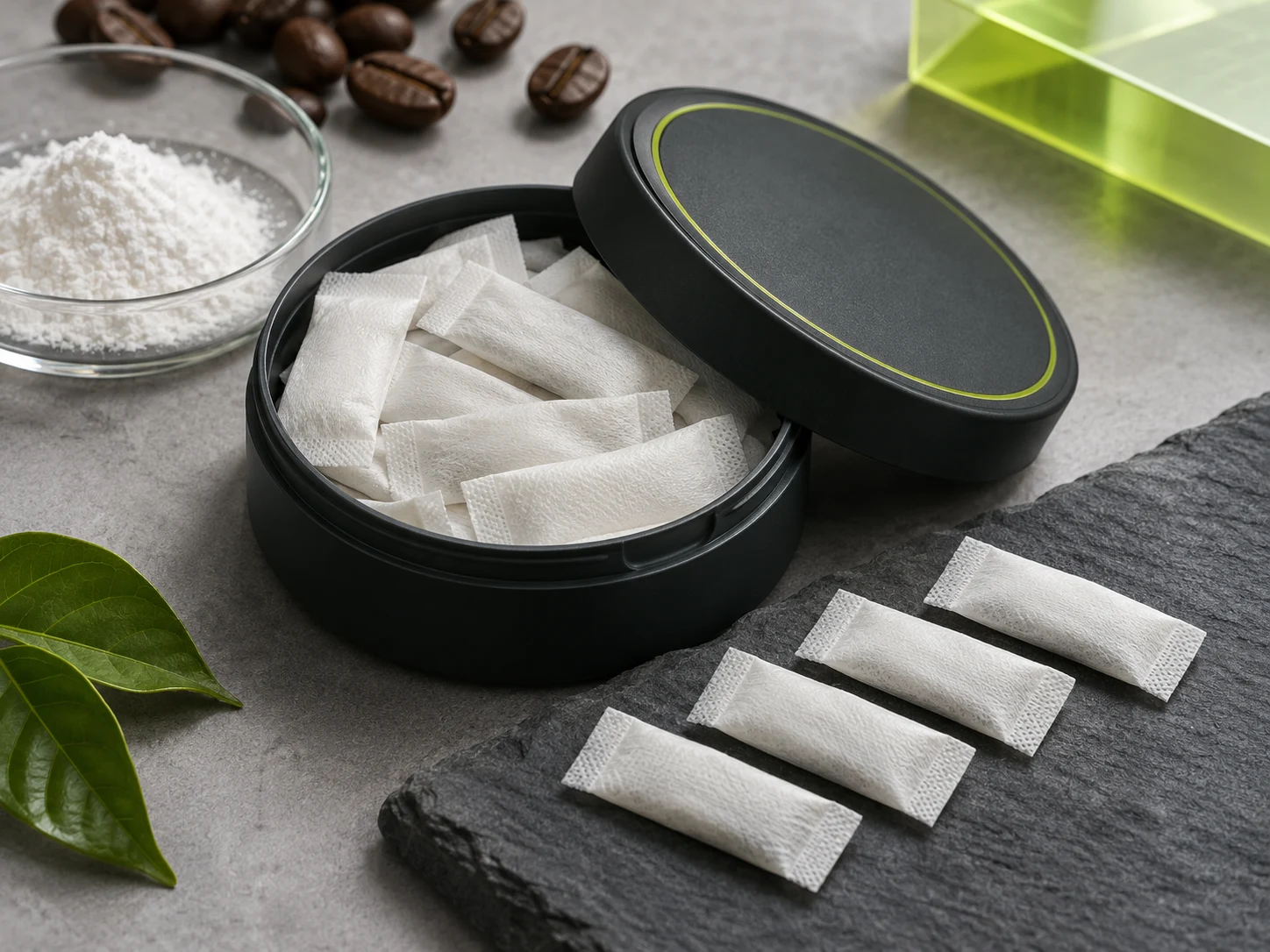
Caffeine base
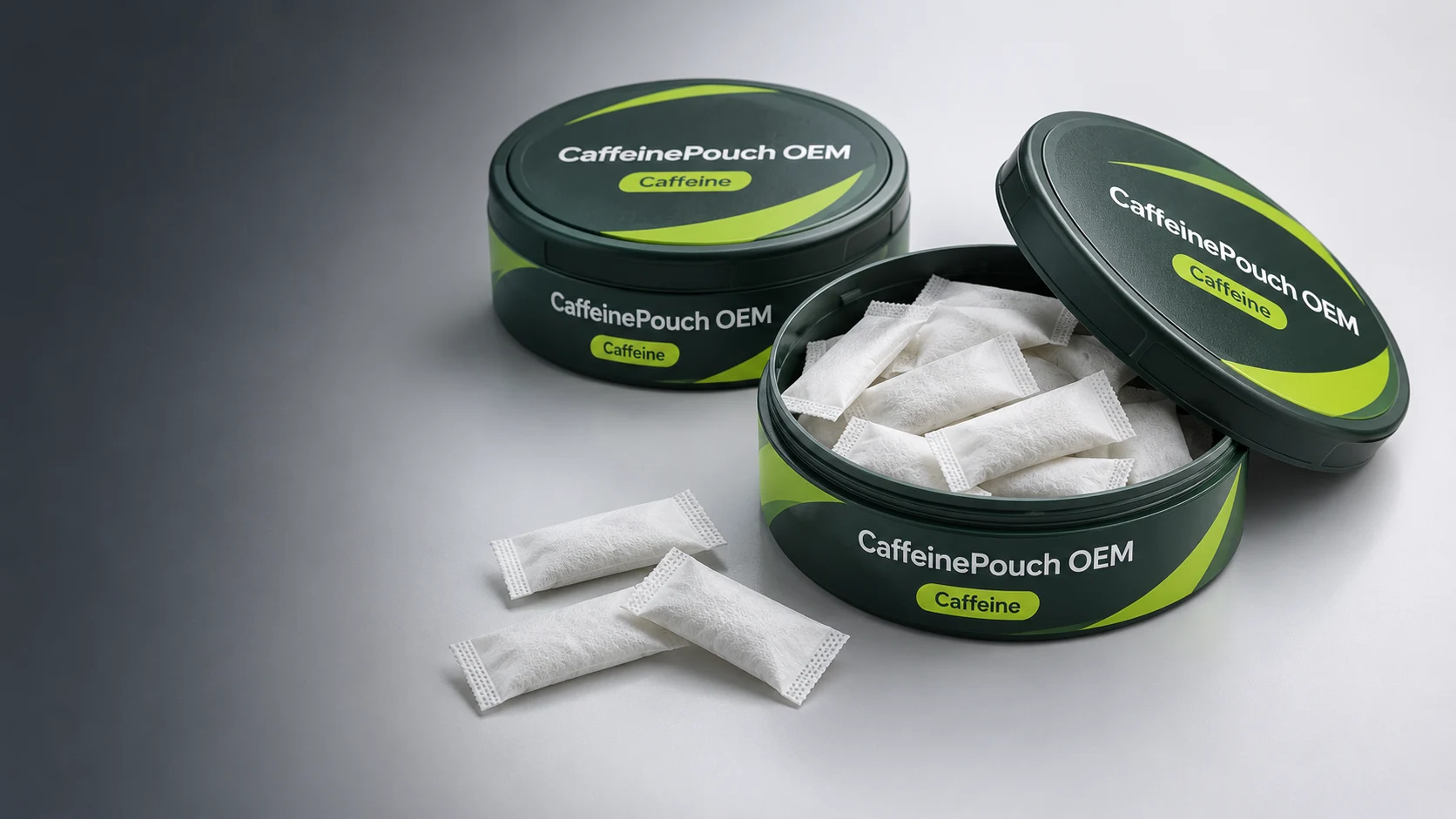
Review caffeine source, carrier, flavor and pouch material choices for a base formulation. Confirm total caffeine, uniformity and packaging needs.
6 development conceptsExplore this family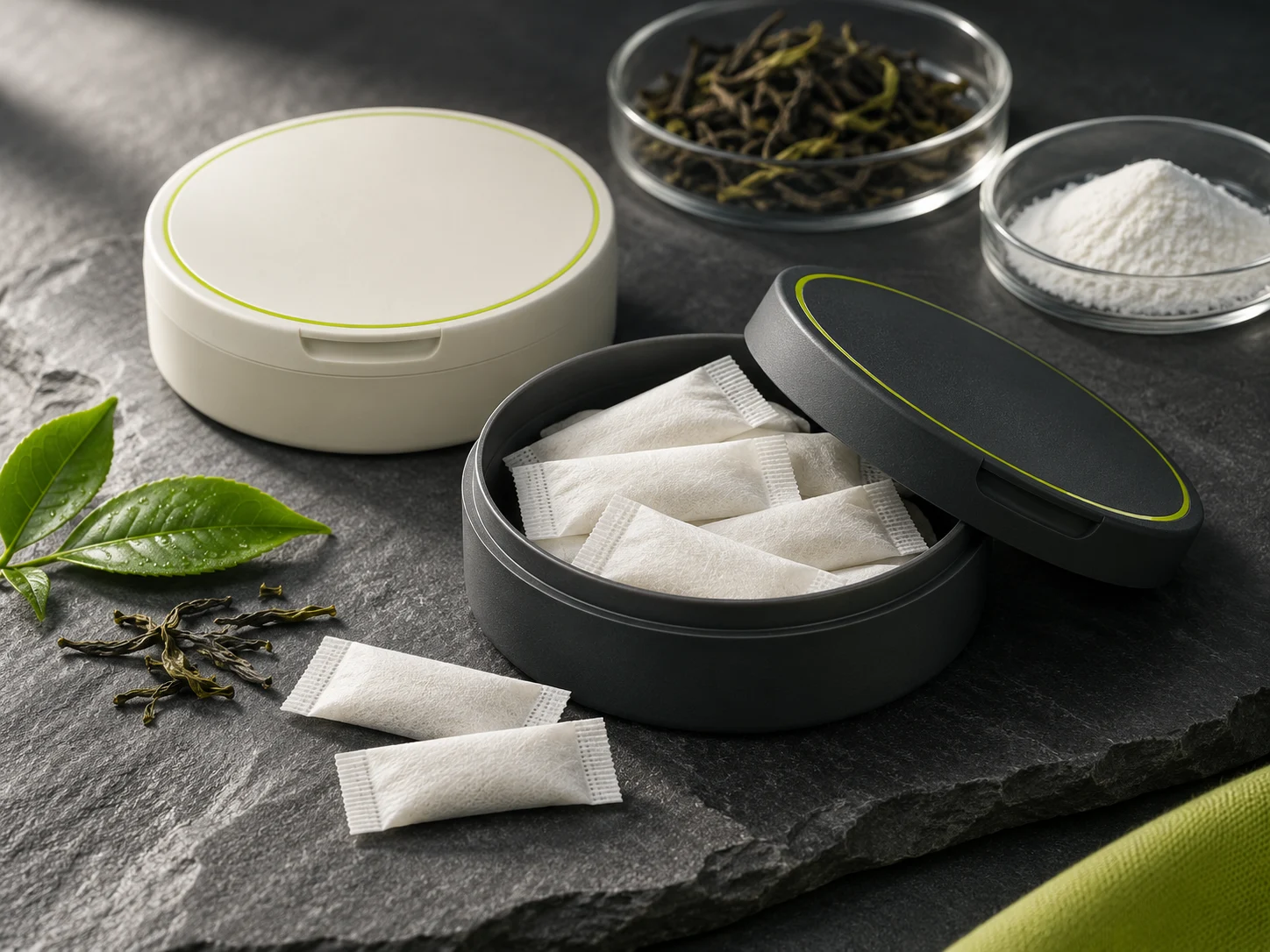
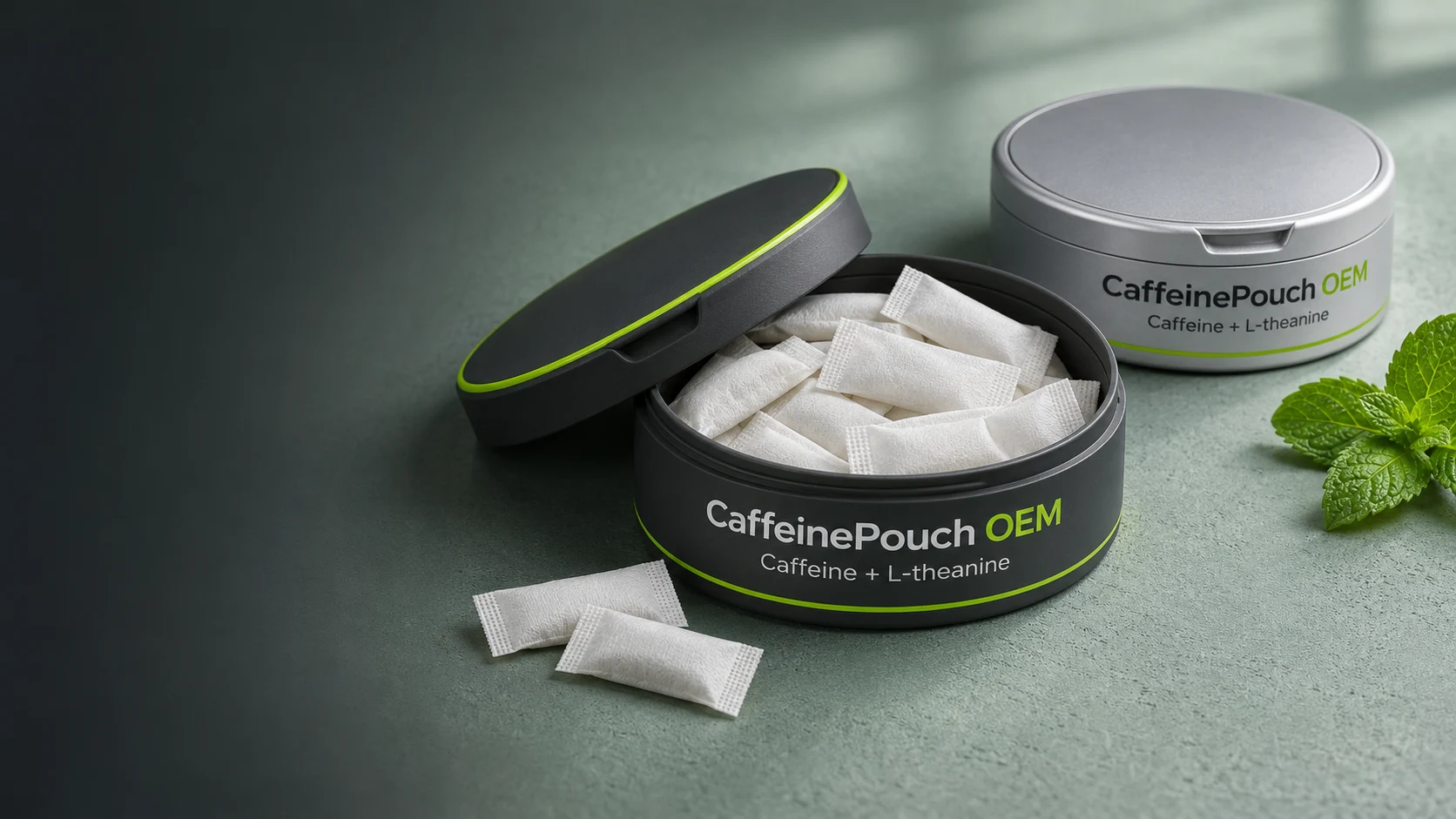
Caffeine + L-theanine
Explore caffeine and L-theanine pouch development with ingredient-specific specifications, sensory evaluation and project-based testing requirements.
6 development conceptsExplore this family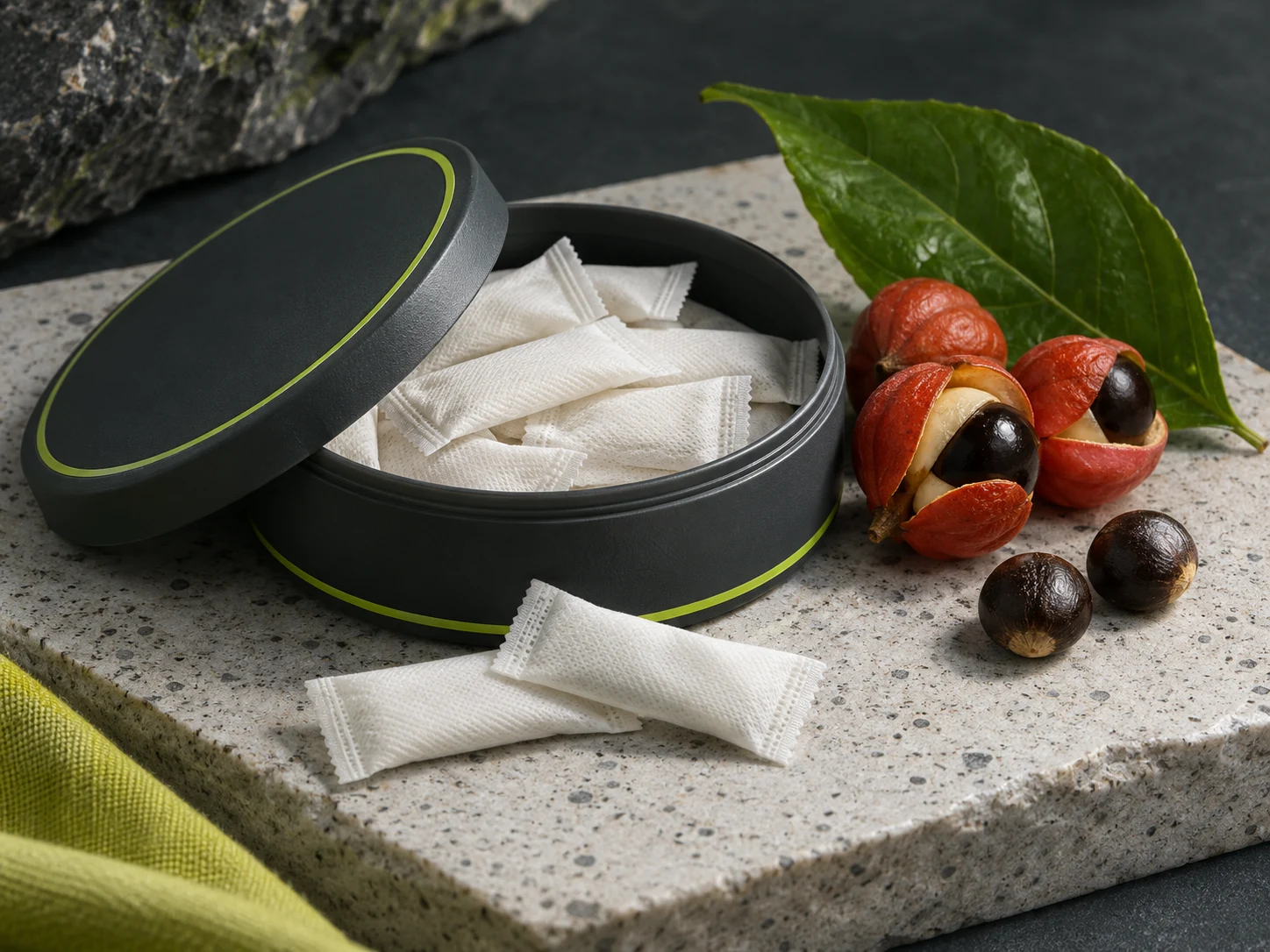
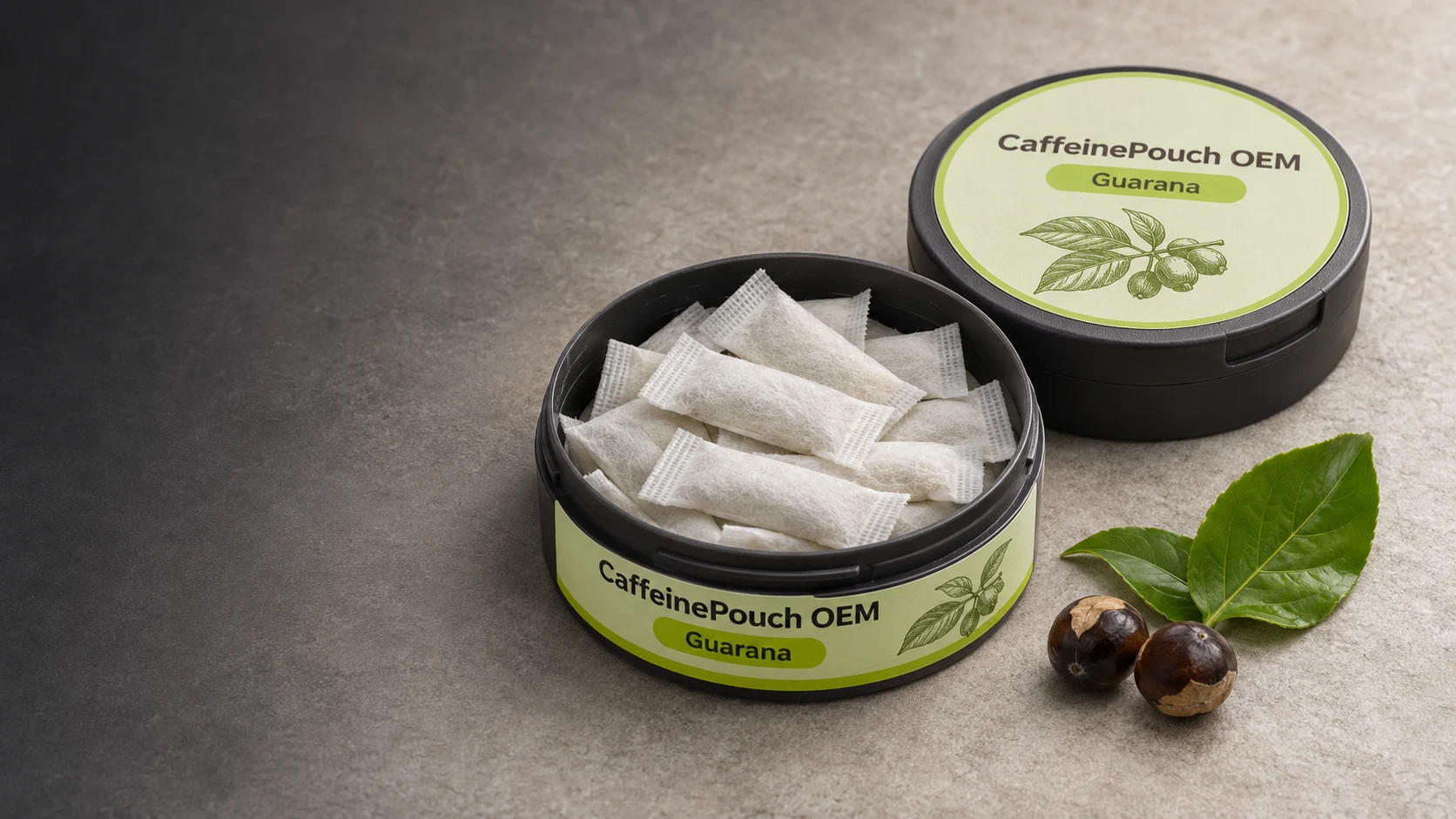
Guarana caffeine
Review guarana ingredient specifications, other caffeine sources and finished-pouch verification. Discuss flavor, mixing and packaging requirements.
6 development conceptsExplore this family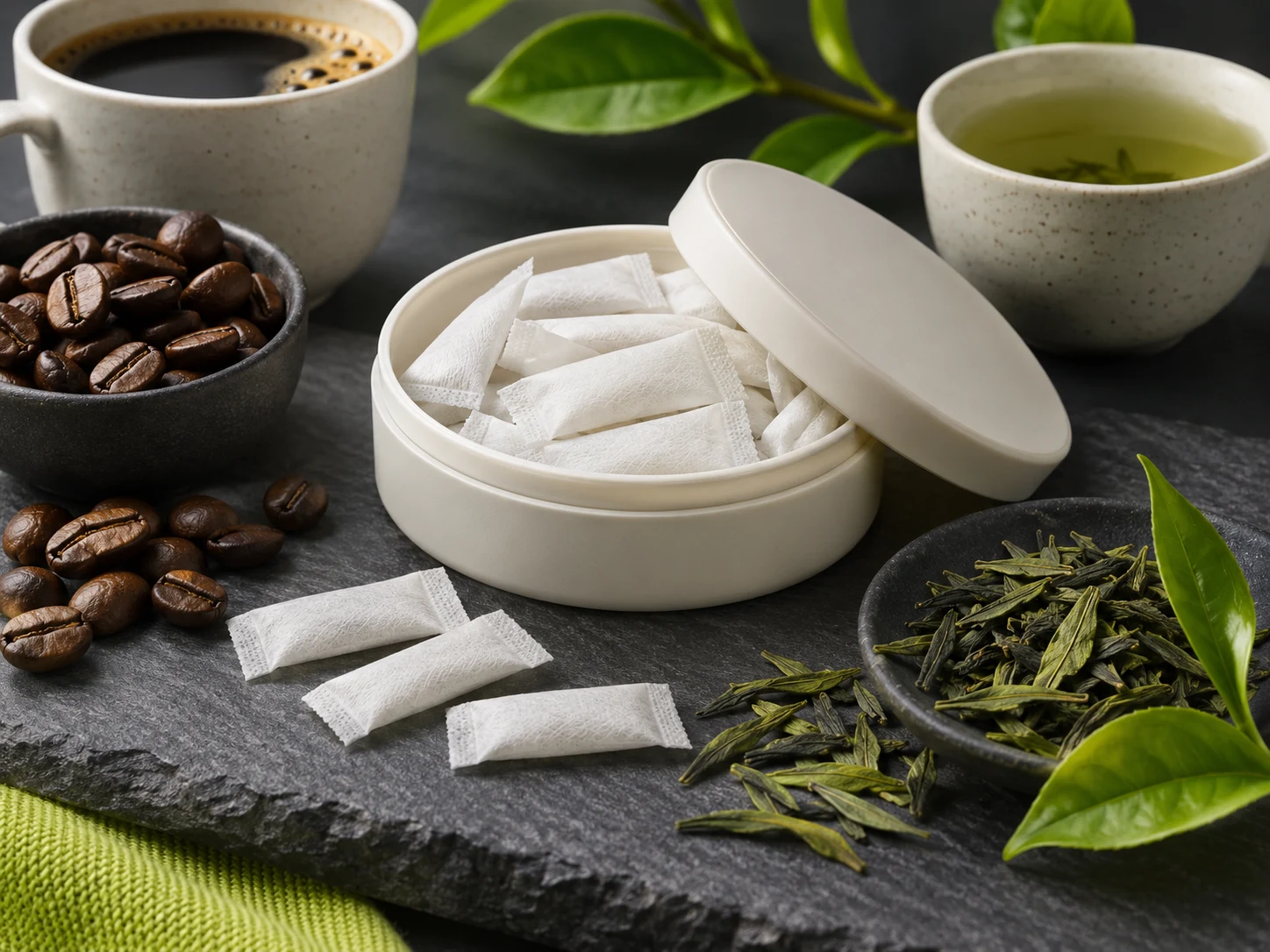
Coffee + tea sources
Explore coffee or tea caffeine sources for pouch development. Distinguish source identity from flavor and define content, sensory and quality needs.
6 development conceptsExplore this family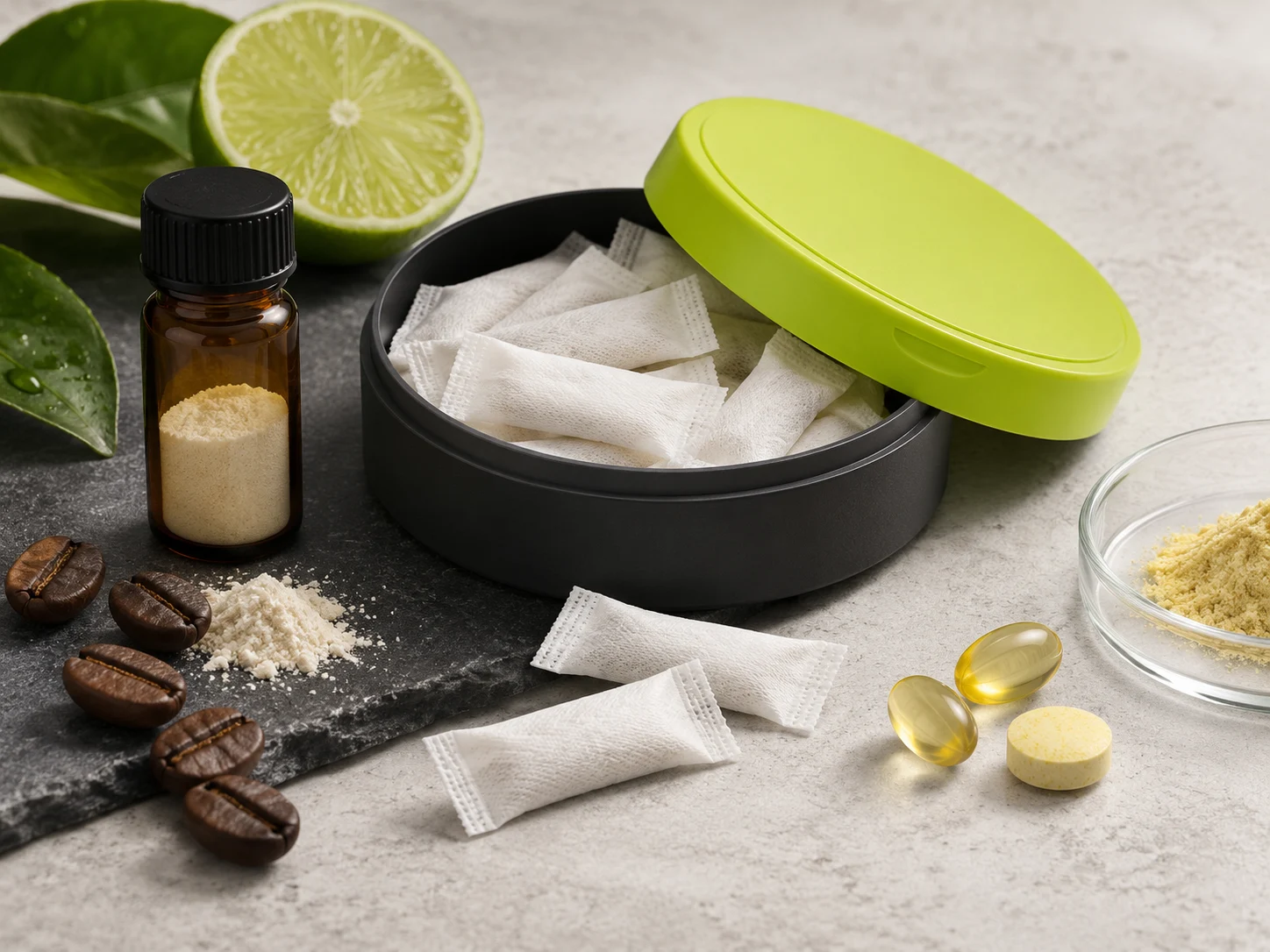
Caffeine + vitamins
Discuss named vitamin ingredients alongside caffeine for a pouch project. Review ingredient forms, units, compatibility and stability requirements.
6 development conceptsExplore this family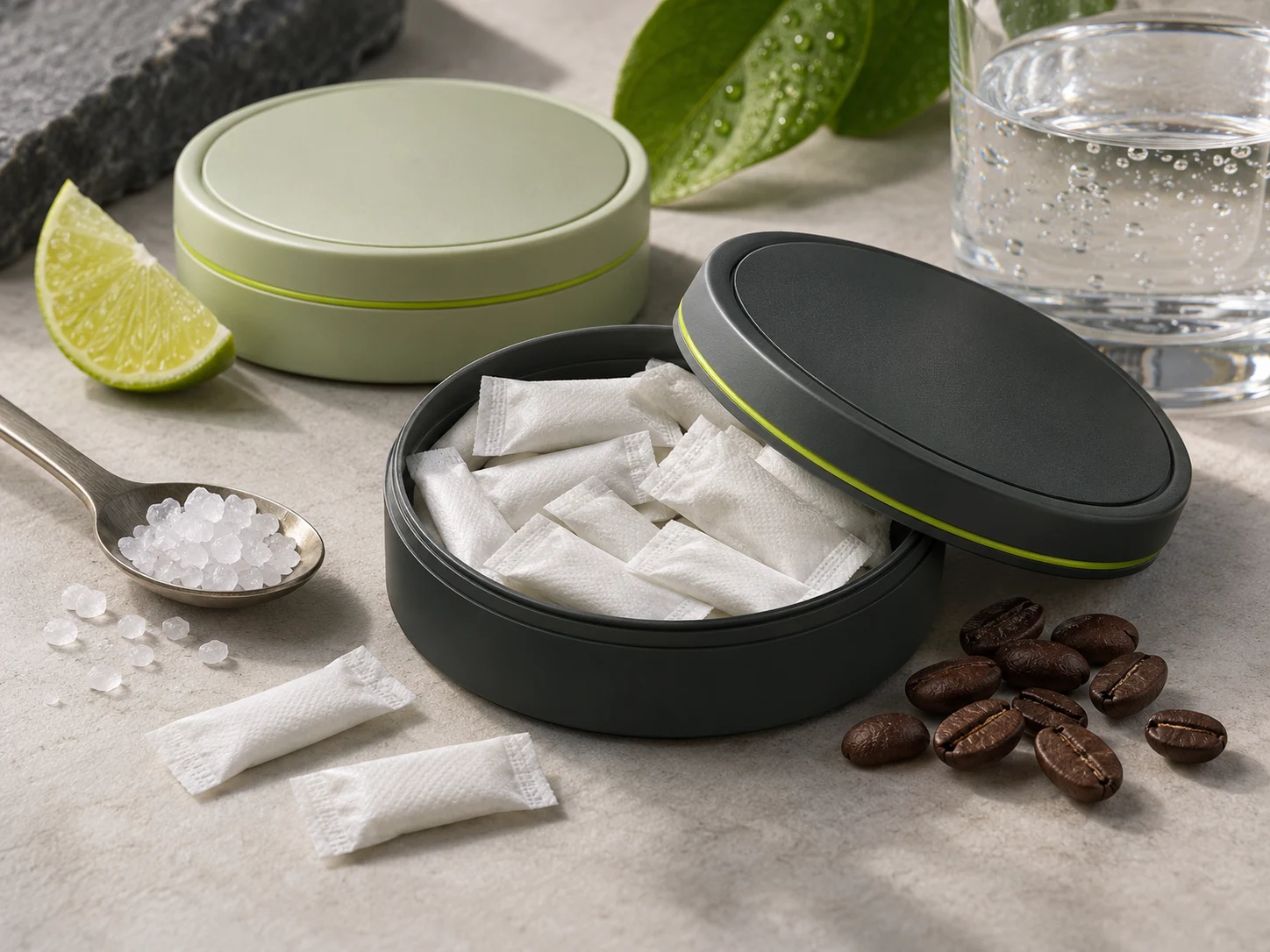
Caffeine + electrolytes
Review caffeine pouch concepts with specified electrolyte salts. Define ingredient quantities, sensory targets, moisture controls and packaging.
6 development conceptsExplore this family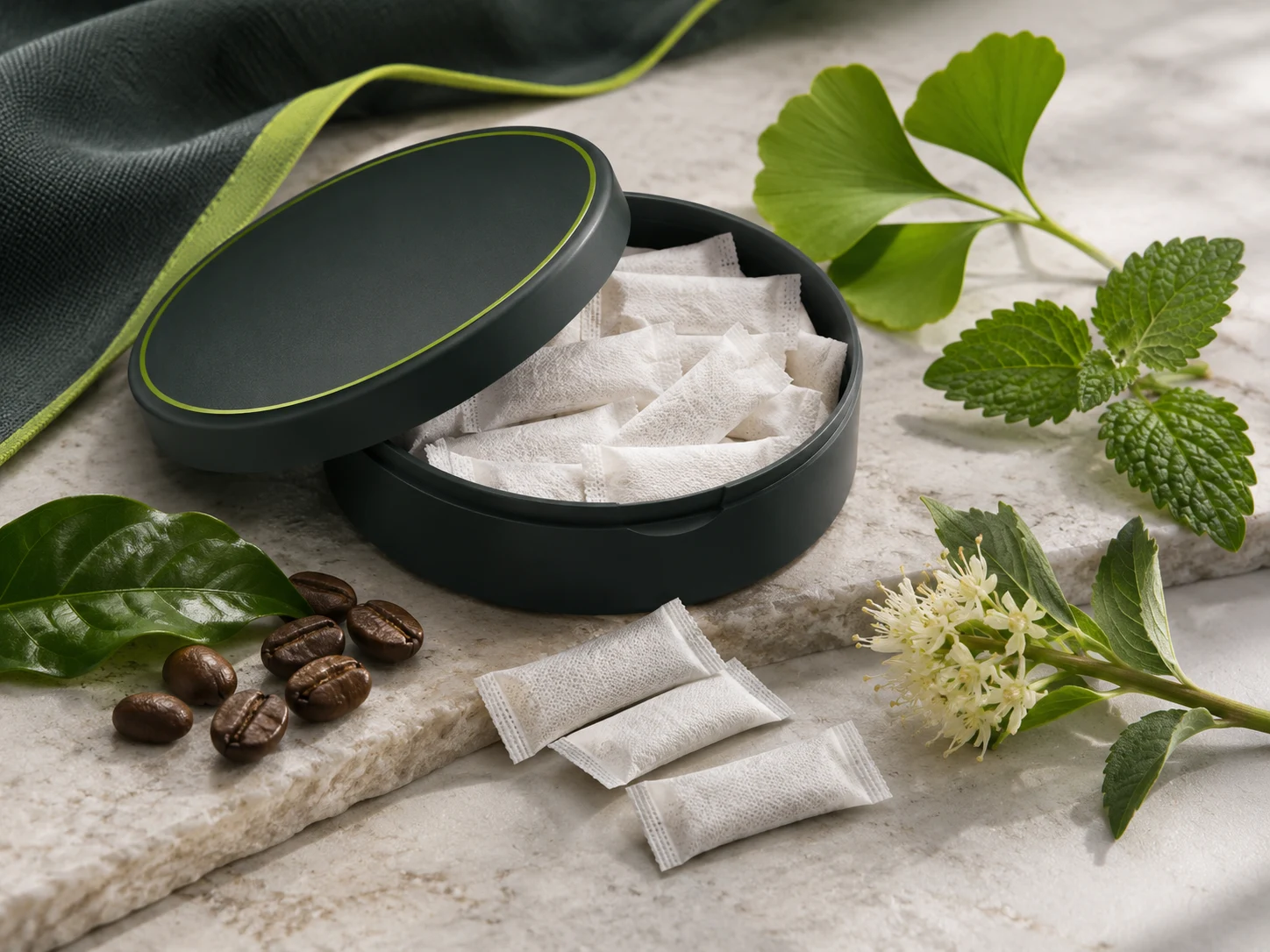
Caffeine + botanicals
Discuss specific botanical ingredients for a caffeine pouch project. Review species, extract specifications, total caffeine and market conditions.
6 development conceptsExplore this family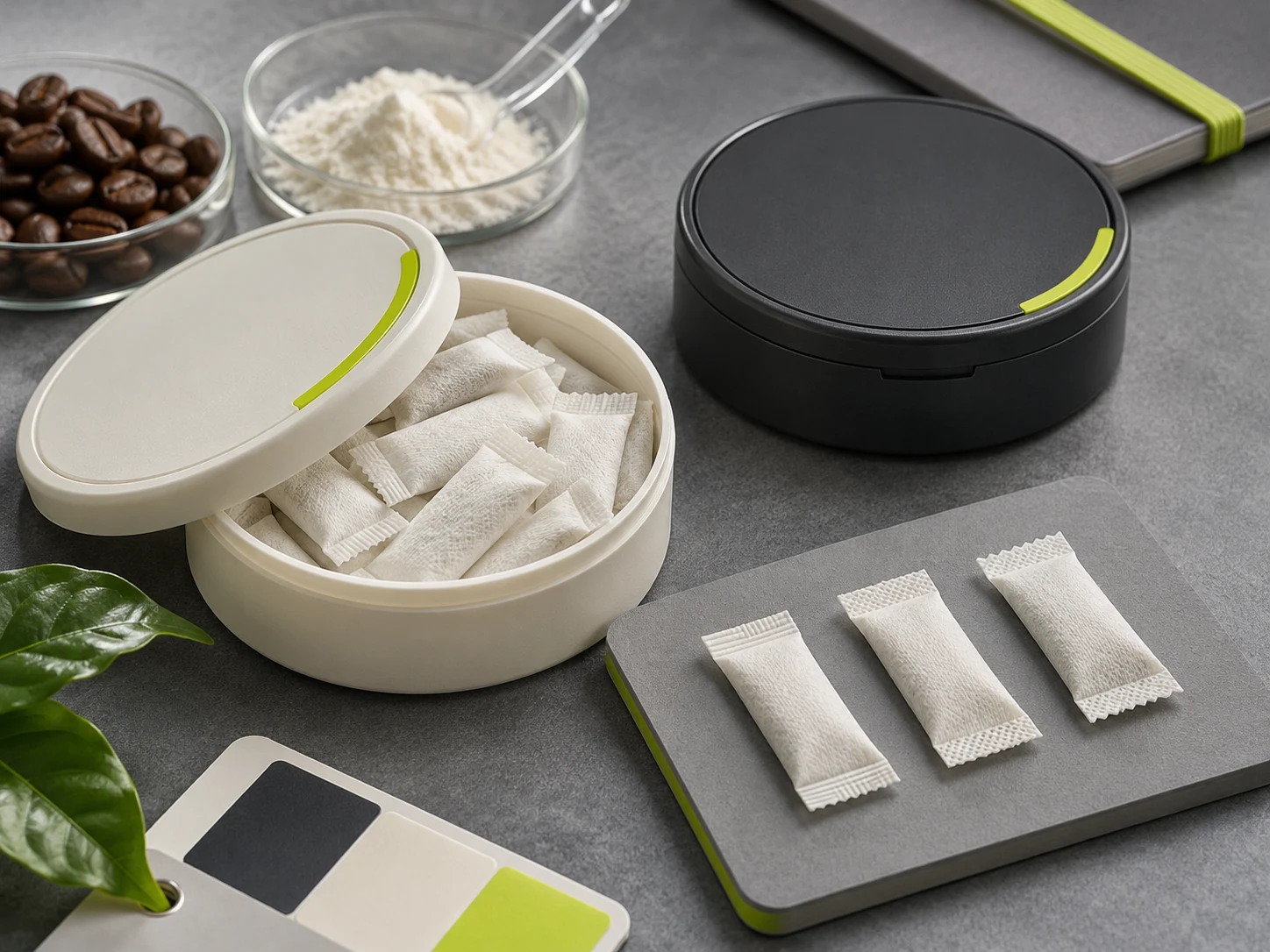
Custom caffeine blends
Submit an existing formula or a multi-ingredient caffeine pouch concept. Review feasibility, specifications, intellectual property and technical transfer.
6 development conceptsExplore this familyNo matching family. Clear the search or send a custom formulation brief.
Build your pouch brief
Bring your target market, formula direction and packaging preferences into one editable inquiry. Leave the caffeine content open when you need technical guidance.
OEM, ODM, CRO or CDMO
| Project route | Your starting point | Scope to agree |
|---|---|---|
| OEM | Existing formula and specification | Technical transfer, supply chain, manufacturing and release |
| ODM | Product idea and brand brief | Formulation, sample iterations and packaging development |
| CRO | Defined research question | Feasibility, analytical or sensory work and a written report |
| CDMO | Development through manufacture | Milestones, methods, transfer, quality responsibilities and change control |
Pouch, pack and documentation
Development and manufacturing support
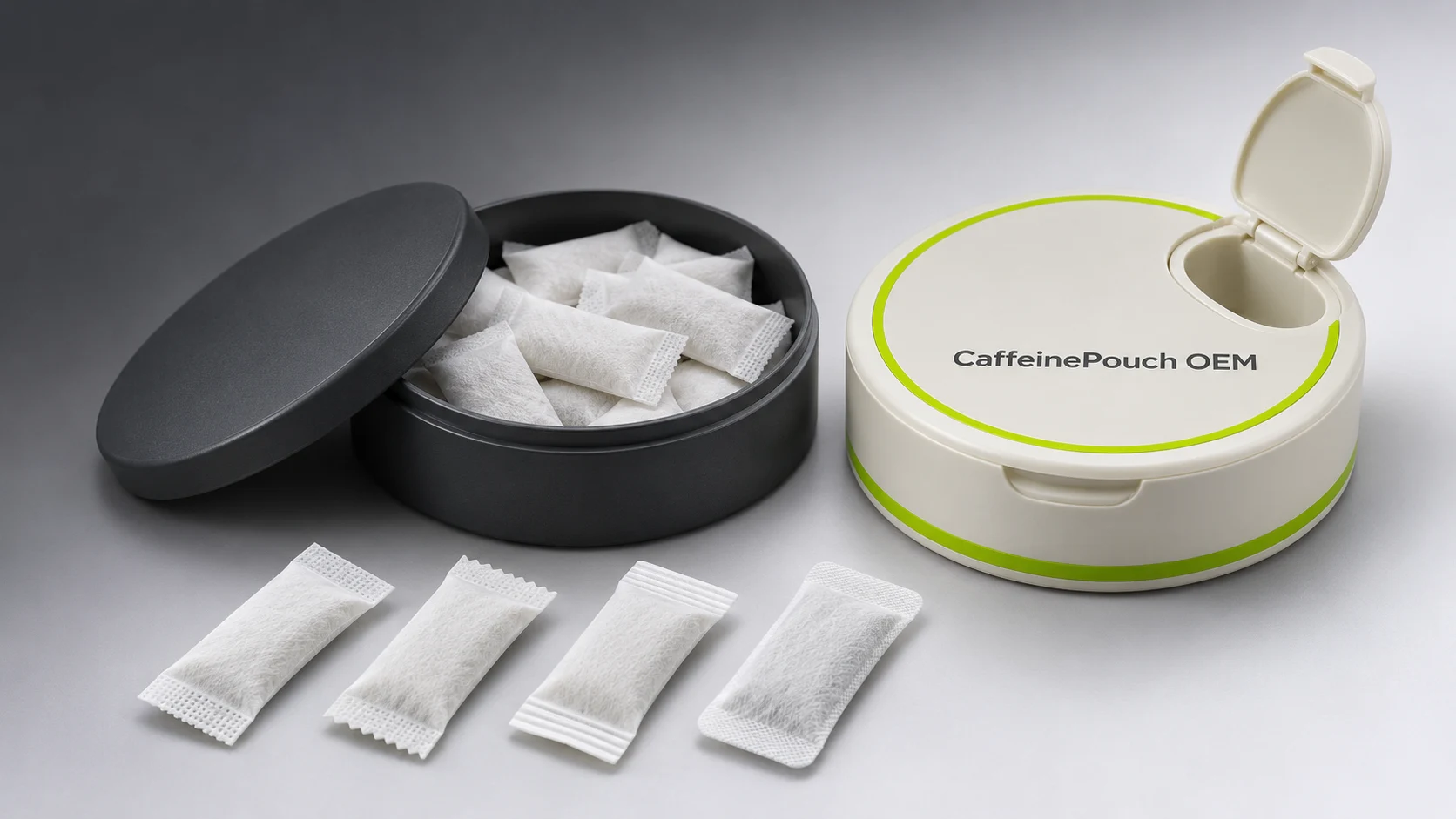
Review weighing, blending, filling and sealing as a connected process. Each approved product needs defined control points and a batch record. Discuss the required evidence, who performs each test and what is needed before release.
Plan your next discussion
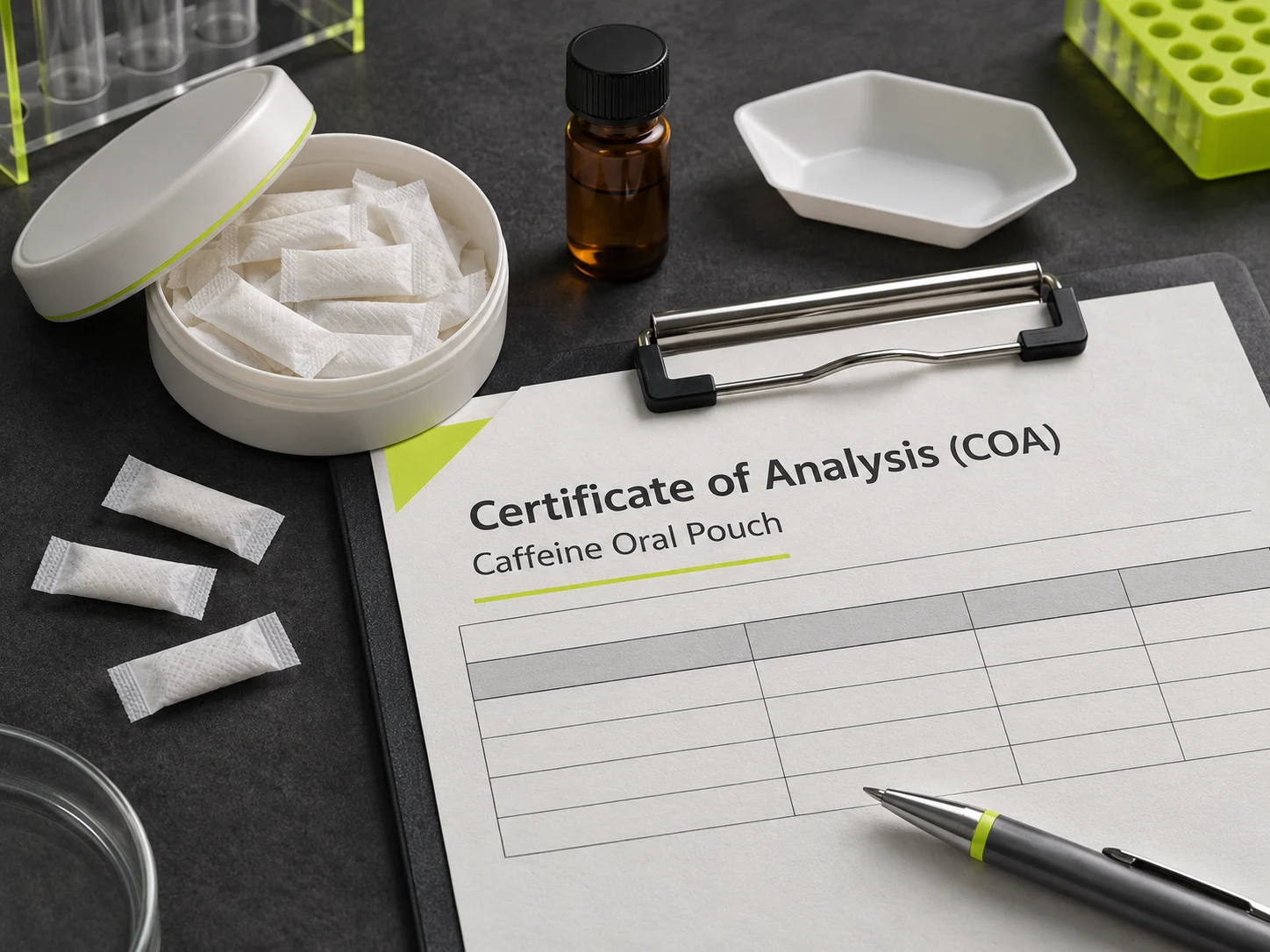
Reading a caffeine pouch COA
Check batch identity, methods, units and sampling before treating a certificate of analysis as evidence for a sourcing decision.
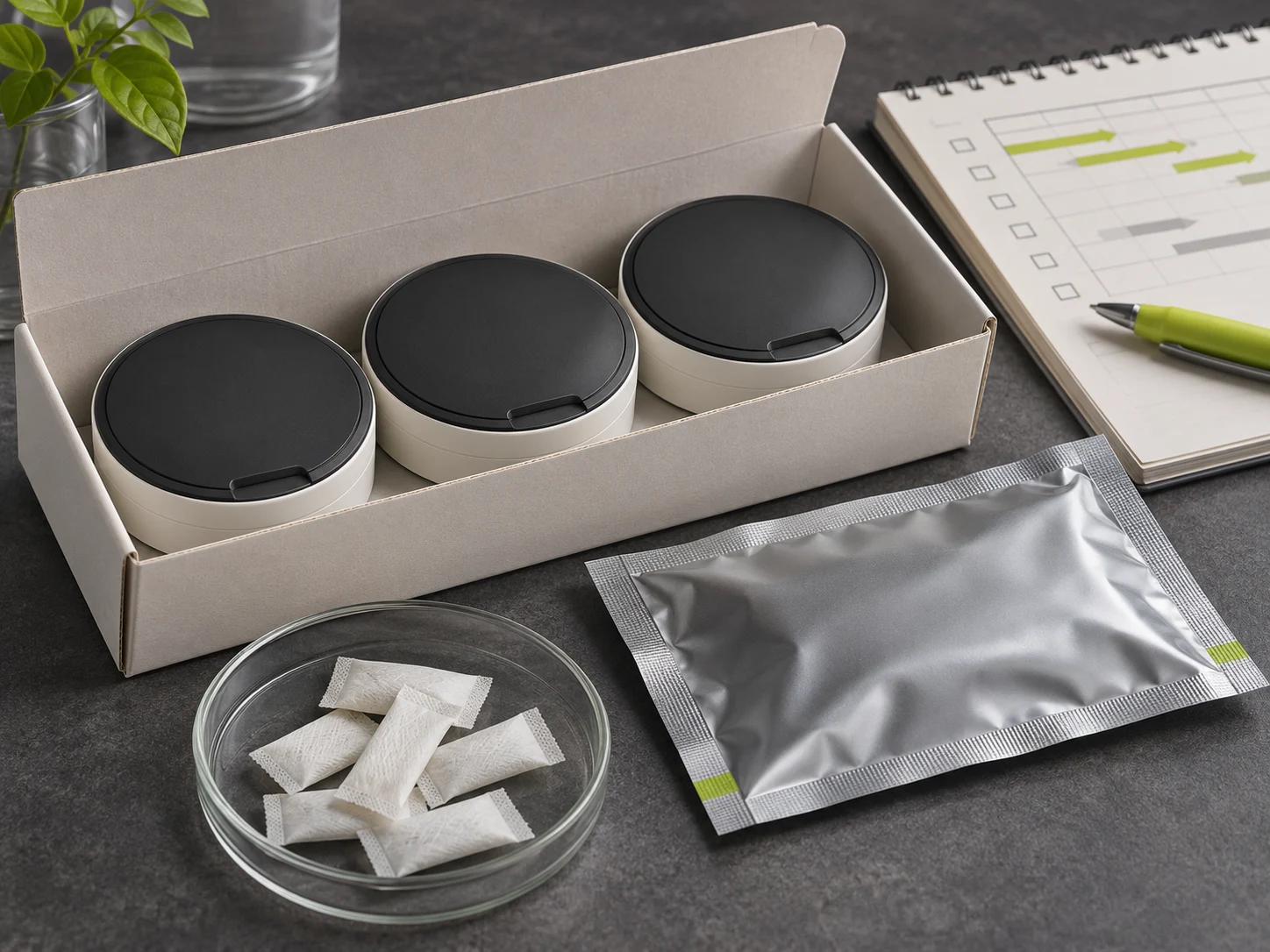
Planning a final-pack stability study
Link formula, pouch, closure and storage conditions to a study that can support product-specific shelf-life decisions.
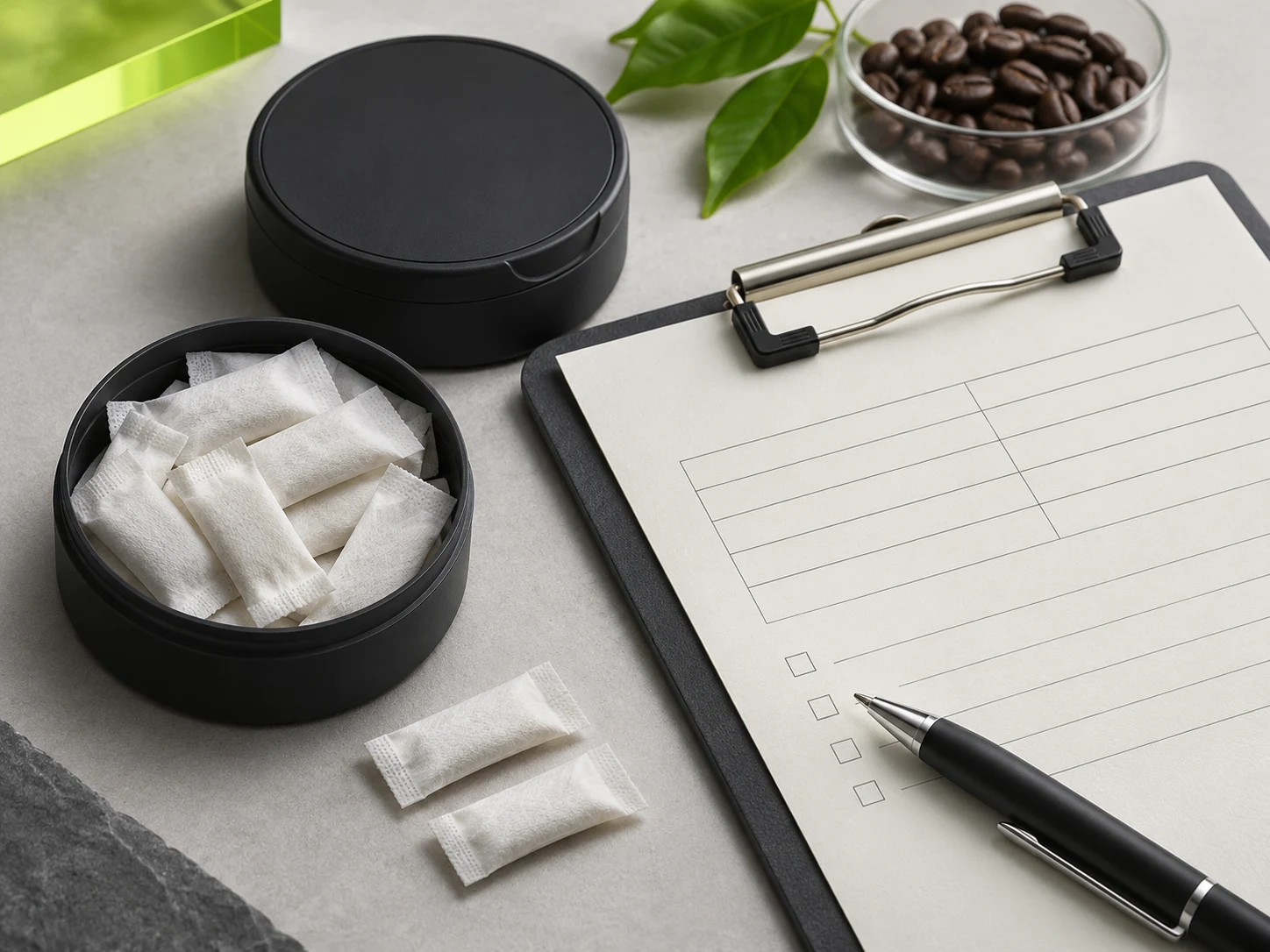
A useful first caffeine pouch RFQ
Give suppliers enough information to quote the same development and manufacturing scope, without guessing a dose, MOQ or launch schedule.
Buyer questions
Can caffeine pouches be customized?
You can propose caffeine sources, other ingredients, flavor, cooling, pouch and packaging requirements. Each proposal needs technical and market review before the formula, specifications and commercial terms are confirmed.
How do OEM, ODM and CDMO differ?
OEM usually starts with an existing specification. ODM includes agreed formulation or product development. CDMO combines defined development, transfer and manufacturing work. The contract should state the actual scope, deliverables and responsibilities.
How is caffeine content per pouch confirmed?
Total caffeine should include every contributing ingredient, including guarana, coffee or tea sources. Ingredient calculations and finished-pouch analysis serve different purposes. Specifications should state the unit, sampling approach, method and applicable acceptance criteria.
What is the minimum order quantity?
MOQ depends on the formula, ingredient availability, packaging, testing and number of SKUs. Share your intended quantities and pack format so the project team can review the constraints and quote confirmed terms.
Can I request samples before production?
Submit the formulation direction, target market and purpose of evaluation. Sample type, formula version, charges, shipping and availability are confirmed for the project. A sample request does not automatically reserve stock or approve a formula.
What information is needed to start?
Share your company or brand, target market, formulation direction, packaging preferences, expected quantities and documentation needs. You can indicate that caffeine content or quantities need technical guidance rather than entering an unsupported figure.